Meta's AI Chatbots: Balancing User Engagement, Ethics, and Profit
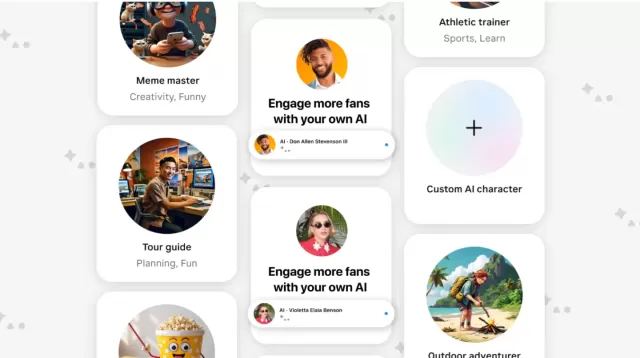
Meta is diving deeper into the world of artificial intelligence, with plans to introduce customizable chatbots across its messaging platforms like Messenger and WhatsApp. These AI companions, trained with the help of firms such as Alignerr, will proactively engage users in conversations, remember past interactions, and even offer personalized recommendations. Imagine receiving a message from an AI "Maestro of Movie Magic" suggesting soundtracks or films for your next movie night - this is the kind of experience Meta envisions.
The tech giant confirmed it's testing these AI follow-up messages, but with some limits. Chatbots can only initiate follow-ups within 14 days of a user's initial conversation, and only if the user has sent at least five messages. Meta also assures that the bots will stop messaging if there's no response to the first follow-up. Users will have the option to keep their bots private or share them with others through stories, links, and even their Facebook or Instagram profiles. Meta frames this as a way to enhance user engagement and exploration of interests.
This move places Meta in direct competition with AI startups such as Character.AI and Replika, both known for their AI companion chatbots that initiate conversations and build relationships with users. Interestingly, Character.AI's new CEO previously held a high-level position at Meta, underscoring the growing importance of AI in the tech landscape.
However, the rise of AI companions also raises serious ethical concerns. Character.AI is currently facing a lawsuit related to the death of a teenager, allegedly influenced by interactions with one of its chatbots. This incident highlights the potential dangers of relying on AI for emotional support or guidance.
Meta has acknowledged these risks and issued disclaimers, stating that its AI responses may be inaccurate or inappropriate and should not be used for important decisions. The company emphasizes that these chatbots are not licensed professionals and cannot provide medical, psychological, financial, or legal advice. However, the lack of clear age restrictions for interacting with these chatbots is drawing attention, raising questions about their suitability for young users.
While Meta positions this initiative as a way to combat loneliness, the company's business model, heavily reliant on advertising revenue, cannot be ignored. Meta's algorithms are designed to keep users engaged, which translates to more ad views. Internal documents reveal that Meta anticipates significant revenue from its AI products in the coming years, potentially through revenue-sharing agreements, ads within the AI assistant, or even subscription options.
Meta has remained tight-lipped about its commercialization plans for these AI chatbots, including the possibility of ads or sponsored replies, and their integration with its virtual reality platform, Horizon. As Meta pushes forward with its AI ambitions, the balance between user engagement, ethical considerations, and profit-driven motives will be crucial to navigate.