Winter Car Care: Expert Advice for Cold Starts
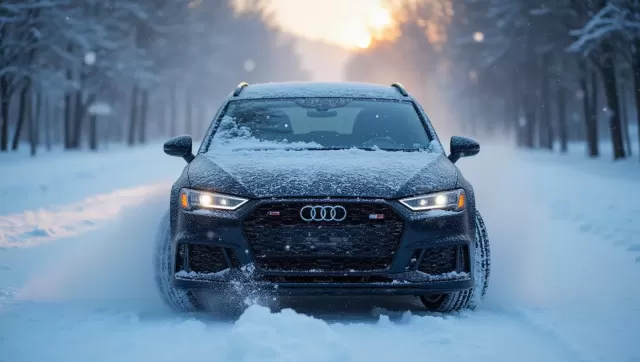
When icy and snowy conditions descend across the nation, many drivers instinctively reach for the keys to let their car idle and warm up. However, automotive experts at AAA suggest this common practice might not be the most effective, or even the best, approach.
For modern vehicles, the time it takes to buckle your seatbelt, adjust your mirrors, and get situated is generally sufficient for lubricating oil to reach all critical engine components. David Bennett, a senior automotive manager at AAA, advises that after starting the engine, it's best to begin driving normally. "You're just wasting gas by starting it up and letting it sit there for five minutes to warm up," he points out. If your car is covered in snow or ice, Bennett recommends clearing it off and engaging the defrosters before you set off.
The notion of needing to warm up your car for an extended period stems from older vehicles equipped with carbureted engines, which did indeed require such a process. Today's cars are engineered for greater efficiency and warm up much faster as you drive. To avoid any undue stress, simply drive gently without aggressively accelerating to speed up the engine's heating.
Troubleshooting Cold-Weather Starting Issues
Experiencing difficulty starting your car in cold temperatures can often be attributed to a battery that isn't fully charged. J.D. Power, a consumer intelligence company, notes that a sluggish starter motor is a common indicator of this.
To help your vehicle's battery perform under frosty conditions, consider these steps:
- Briefly flash your high beams for about 20 to 30 seconds to generate a bit of warmth for the battery.
- Turn the ignition key and allow a few seconds for the fuel pump to engage if your car has fuel injection.
- If your car has a carburetor and lacks an automatic choke, you might need to manually pull the lever.
- For vehicles with a manual transmission, press the clutch pedal down before attempting to start the engine.
- Limit your initial starting attempts to 10 to 15 seconds to prevent overheating the starter. If the car doesn't start, wait about a minute before trying again.
- If the starter motor is functioning but the car still won't ignite after three tries, try gently pressing the gas pedal while repeating the starting process.
- If the starter doesn't engage at all, this usually signals a dead battery or a faulty starter motor.
Essential Winter Vehicle Maintenance
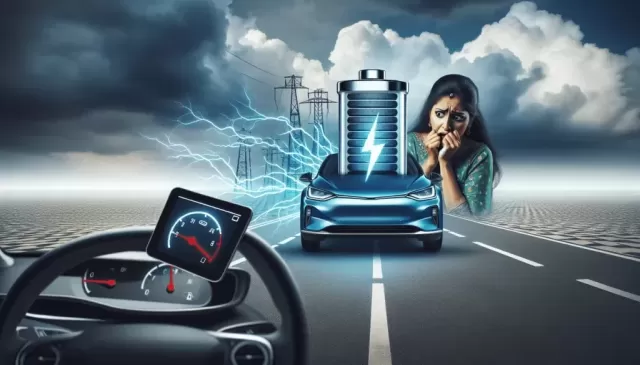
During cold weather, your car's battery may need to supply up to double its normal current to start the engine. At freezing temperatures (32 degrees Fahrenheit), a car battery can lose as much as 35% of its power, according to AAA Automotive Research Center.
To prevent engine freeze-ups and protect against internal rust and corrosion, it's crucial to regularly check your antifreeze and battery health. Bennett also emphasizes the importance of ensuring your tires are properly inflated and have adequate tread, and that you carry a spare.
Furthermore, confirm that all your vehicle's lights are functioning correctly—including running lights, headlights, turn signals, brake lights, and reverse lights—to ensure you can both see and be seen. Don't forget to inspect your wiper blades for optimal visibility. When the engine is cold, check your oil, transmission fluid, and coolant levels.
Maintaining Battery Charge and Preventing Issues
To keep your car's battery in good condition and prevent issues like accumulation of old start combustion contaminants in the engine oil, it's recommended to start and drive your vehicle for at least 30 minutes once a week. Simply starting the car without driving it won't allow the battery to sufficiently recharge. If you're unable to drive your car yourself, ask a friend or family member to do so on your behalf.
Additional Winter Driving Safety Precautions
Ensure your battery and charging systems are in good working order, with clean terminals and connections, as this leads to more reliable performance in cold conditions. Avoid using your vehicle to charge electronic devices; opt for portable chargers instead. Keep your headlights clean, replace worn wiper blades, and regularly check your tire tread depth and pressure for optimal visibility and traction. In icy conditions, refrain from using cruise control and avoid unnecessary lane changes, as these actions can increase the risk of losing control.