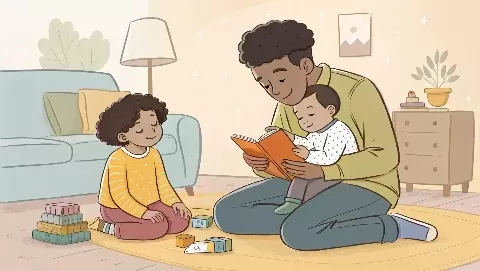
An Infallible Formula for Improving Family Harmony

How is life around your home? Perhaps the majority of your time is spent reminiscing about the same old issues or discussing joyful moments.
Family life inevitably involves conflicts. When managed positively, they might even be advantageous. There are benefits to a family that understands how to show love and support to one another. You are happier and more at ease, and you are pleased to see that your kids are growing up to be successful adults.
Beginning today, you can enjoy more harmony within your family. Utilize these concepts to foster an environment of gratitude and collaboration.
Take Time Together:
1. Share meals with your family. Strong family bonds take time and work to develop. The best time to stay in touch and have in-depth conversations is around mealtimes. Additionally, you'll most likely eat healthier.
2. Establish personal connections. Make time for your husband and each of your children individually in addition to family meals and excursions. Make an effort to go out of the house at least once a week for a date night at a nearby theater or restaurant. Visit a science museum with your daughter and play board games with your son.
3. Remain active. You might be watching TV or sending texts while in the same room if your family is like many others. Forget about passive entertainment and go to the gym or ride your bike instead.
4. Have a good time. Make family get-togethers and activities something you eagerly want. Take into account everyone's interests when organizing holiday parties or getaways.
Improve Your Interactions:
1. Pay close attention. When your family members are speaking, listen to them intently. Refrain from interrupting and have an open mind. To demonstrate your interest, make movements and ask questions.
2. Offer confirmation. If you disagree, you can still respect each other's feelings. When it's appropriate, share your perspective on similar experiences with your partner and kids to show them that you care about their worries.
3. Look for balance. Even though certain family members will inevitably hold more authority than others, you can still strive to respect them all equally. Give them options and solicit their opinions as much as you can.
4. Give compliments. Respect each family member's special talents and qualities. Encourage your significant other to share their professional achievements. When your kids finish their schoolwork or share their toys, let them know you are proud of them.
5. Teach skills. Teach your kids how to handle disagreements and have delicate conversations. Set a good example and employ strategies like role-playing or watching and talking about educational movies.
The dynamics of your family can be changed. Cooperation and civil discourse should take the place of conflict and disagreements. Peace and harmony are produced in a loving household atmosphere.